



A clearer look at what aeration is really doing in your tank, why bubbles only tell part of the story, and what actually helps keep water more active over time.
Key Takeaways
- The real goal of aeration is increasing dissolved oxygen in the water, not just making bubbles.
- Bubbles can help, but they are only one part of how oxygen gets into the solution.
- Water movement, surface interaction, temperature, and consistency all affect aeration performance.
- Good aeration is part of overall tank health, not just a visual effect.
Aeration gets talked about a lot in plant feeding and reservoir setups, but the actual goal is often less clear. Most people know they want “more oxygen” in the tank. Fewer people know what that really means, how it gets there, or why visible bubbles do not always tell the whole story.
This article gives you a high-level look at dissolved oxygen, often shortened to DO, and why it matters in nutrient solution. It also covers the common ways people add oxygen to a tank, what those methods do well, and where they can fall short.
What is dissolved oxygen?
Dissolved oxygen is oxygen that is mixed into water at the molecular level. It is not just air passing through the tank or bubbles rising to the surface. It is oxygen actually present in the liquid itself.
That distinction matters. A tank can have plenty of visible bubbles and still not be holding as much dissolved oxygen as you expect. Bubbles are only part of the process. What matters is how much oxygen makes it into the solution and stays there long enough to support the environment you are trying to create.
When people talk about improving aeration, this is usually the real target. They are trying to increase the amount of dissolved oxygen in the water, not simply make the tank look active.
Why dissolved oxygen matters
Water that holds a healthy amount of dissolved oxygen tends to support a more active and stable root-zone environment. In feeding and reservoir setups, that matters because stagnant, poorly oxygenated water can create conditions that are less favorable for healthy plant performance.
Oxygen in the solution helps support biological activity and a healthier overall environment in the tank or reservoir. It also helps explain why many growers pay attention to water movement, aeration, and tank conditions instead of thinking only about what nutrients they are adding.
At a practical level, dissolved oxygen matters because people want their tanks to stay fresher, more active, and more consistent while they work. It is one of the reasons aeration is often part of a broader tank-management strategy rather than a stand-alone feature.
Why bubbles get so much attention
Bubbles are easy to see, which makes them easy to judge. If a tank is bubbling, it feels like something useful is happening. That instinct is not wrong, but it is incomplete.
Bubbles can help introduce air into the water. They can create movement, disturbance, and surface exchange. They can also support circulation or agitation in a tank, depending on how the system is set up. But bubbles themselves are not the end goal. The goal is dissolved oxygen in the solution.
That means more bubbles do not automatically equal better aeration. Bubble size, contact time, water movement, tank temperature, and the overall setup all influence how effective the process really is.
This is where people sometimes get tripped up. They judge the performance of an aeration method by how dramatic it looks instead of asking how well it is actually helping the tank.
What affects dissolved oxygen levels?
Water temperature
Cooler water generally holds oxygen better than warmer water. As water temperature rises, its ability to hold dissolved oxygen drops. That means warm tanks often need more attention if the goal is maintaining a better oxygenated environment.
Water movement
Still water can become stagnant more easily. Movement helps by exposing more water to air and reducing dead zones in the tank. That does not mean all movement is equal, but it does explain why stagnant reservoirs tend to become a problem faster than active ones.
Surface area and contact
The more opportunity water has to interact with air, the better the chance of oxygen transfer. This is one reason some aeration methods focus on increasing turbulence or breaking water into smaller streams or bubbles.
Tank conditions over time
A tank is not static. Temperature changes, materials settle, water gets used, and the solution itself changes over time. That is why aeration is usually not a one-time event. It is part of keeping conditions more stable while the tank is in use.
Common ways people aerate a tank
There are several common ways people try to add oxygen to water. Each one works a little differently, and each has strengths and tradeoffs.
Air stones and diffusers
Air stones are one of the most familiar aeration methods. They push air through a porous material, creating streams of small bubbles in the tank.
People like them because they are simple and easy to understand. They add visible activity and can help increase air exposure in the water. In smaller or simpler setups, they may provide enough aeration for the job.
Their limitation is that they are usually focused more on bubbling than on broader tank movement or suspension. Depending on the setup, they may add localized aeration without doing much to keep the whole tank active and consistent.
Best for:
- simple aeration needs
- smaller tanks
- adding visible bubbling to standing water
Common limitation:
- may not do much to move or mix the full tank
Circulation and water movement
Some people improve aeration by increasing water movement rather than relying only on bubbling. Moving water across the tank, through a loop, or back into the reservoir can help expose more liquid to air and reduce stagnant zones.
This approach can support oxygen transfer because water that is moving and turning over tends to interact with air more effectively than water that is sitting still. It can also help create a more active tank environment overall.
The tradeoff is that circulation alone is not always enough if the tank also needs better mixing or if the goal is more than just reducing stagnation.
Best for:
- improving overall tank activity
- reducing dead spots
- helping water stay from going stagnant
Common limitation:
- movement alone does not always create the most effective aeration strategy
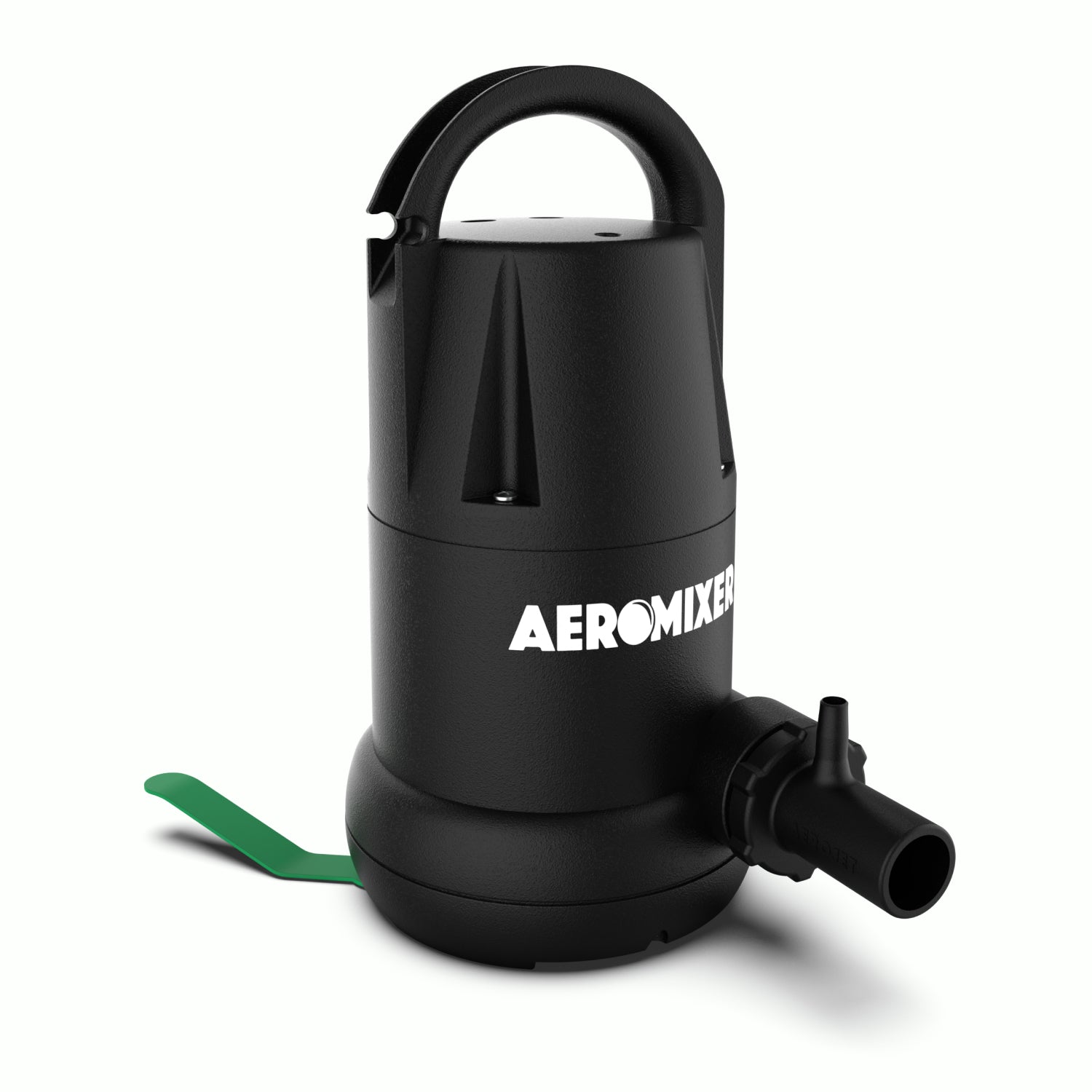
If your next step is improving tank motion and solution consistency, take a closer look at Aeromixer.
See the Aeromixer ProductSurface disturbance and agitation
Another common approach is to create agitation at or near the water surface. This can help because oxygen transfer happens where water and air meet. Disturbing the surface increases that interaction.
Agitation can also make a tank look more active and help break up still areas. In some cases, that can be enough to improve the overall condition of the reservoir.
Like other methods, though, agitation has limits. A tank can have plenty of surface activity and still be uneven deeper down. That is why agitation is useful, but it is not always the full answer by itself.
Best for:
- increasing surface exchange
- reducing stillness in the tank
- supporting a more active-looking reservoir
Common limitation:
- may not evenly affect the full water volume
Timed control and consistency
Aeration is not just about how oxygen gets added. It is also about when and how consistently the system runs. Some people want a setup that runs on a schedule, repeats cycles, or maintains more predictable operating patterns throughout the day.
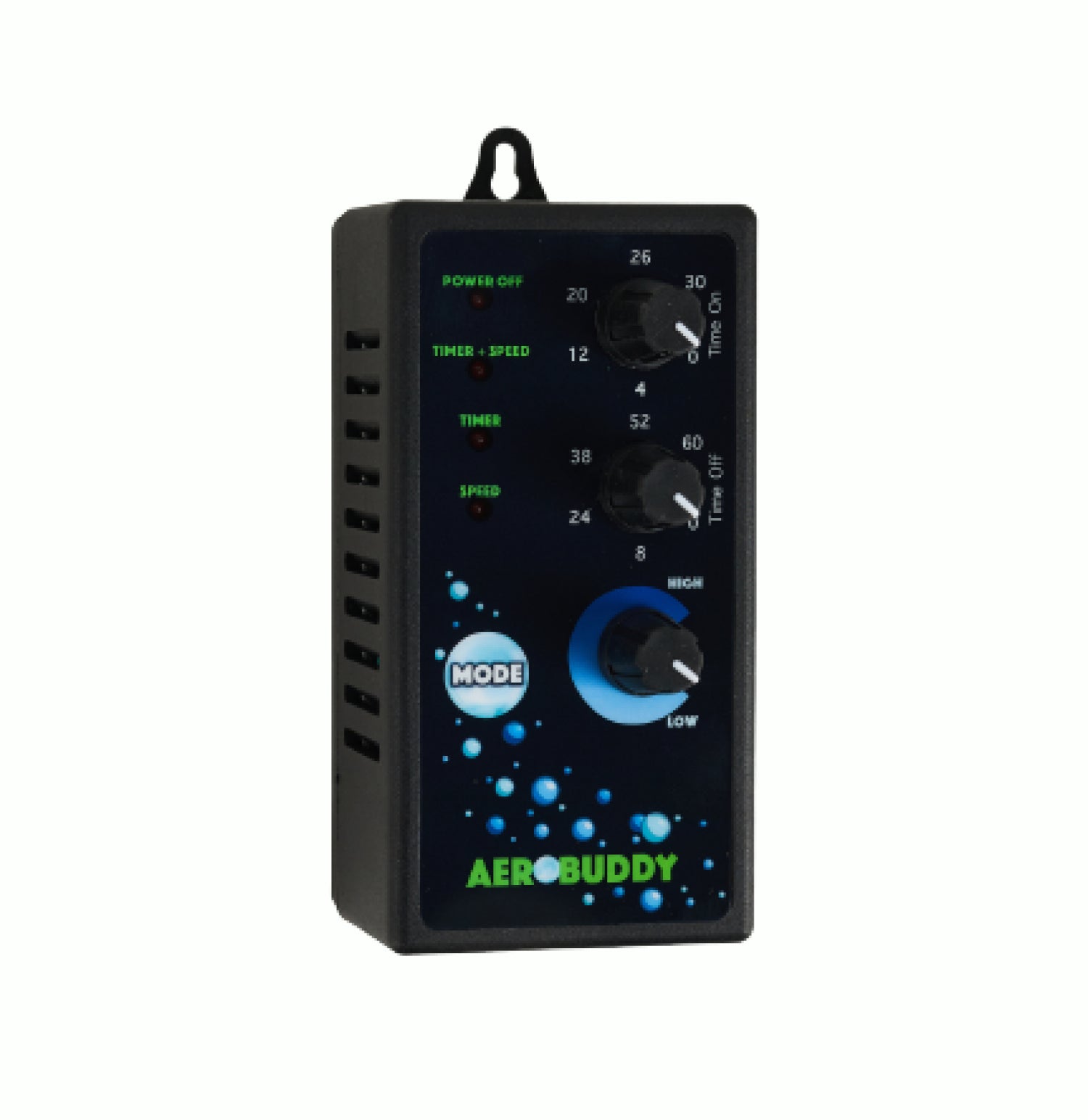
That is where control units can become part of the conversation. They do not create dissolved oxygen by themselves, but they can help manage when equipment runs and how the tank is maintained over time.
This is especially relevant for people who are trying to keep a feed tank or reservoir on a more controlled routine instead of manually turning equipment on and off.
If your next step is managing aeration or tank operation more consistently, the most relevant product hub is the Control Units hub:
Explore the Control Units HubA simple way to think about it
If you want a simple mental model, think of dissolved oxygen as the result, not the tool.
- Air stones are one tool
- Water movement is one tool
- Surface agitation is one tool
- Timed equipment control can support the process
The goal behind all of them is to help the tank stay more oxygenated, more active, and less stagnant.
That matters because healthy tank conditions are shaped by how the whole setup works together, not by one dramatic feature on its own.
Common misunderstanding: bubbles always mean better oxygenation
This is one of the most common assumptions in tank setups. A system producing lots of bubbles looks impressive, so it feels like it must be doing the best job.
Sometimes it helps. Sometimes it only looks busy.
The better question is not “How many bubbles do I see?” It is “How well is this setup helping the water stay oxygenated and active over time?”
That shift in thinking helps people evaluate their setup more clearly. It also helps explain why two systems with very different visual activity can perform differently in practice.
When should you pay more attention to aeration?
Aeration becomes more important when you are working with a reservoir or feed tank that sits for a while, when water temperatures climb, or when you are trying to maintain a more stable solution during repeated use.
It is also worth paying more attention when the tank tends to feel stale, inconsistent, or overly still. In those cases, better aeration may be part of improving the overall environment, even if it is not the only change needed.
The key is to think of aeration as part of the tank system, not as a separate add-on with no connection to mixing, movement, timing, or temperature.
The real takeaway
Dissolved oxygen is oxygen held in the water itself. That is what people are really talking about when they talk about aeration.
Bubbles can help, but bubbles are not the whole story. Water movement matters. Surface interaction matters. Temperature matters. Consistency matters. The best approach depends on what your tank is doing now and what you need it to do better.
At a high level, aeration is about helping the solution stay more active and less stagnant. Once you understand that, it becomes easier to sort through the different methods without assuming they all do the same job.