

Organic nutrients can be great for a feeding routine, but they usually bring more solids, residue, and cleanup than clean mineral solutions. The goal is not to make organics act like plain water. The goal is to keep solids suspended long enough to feed evenly and keep the system from clogging.
Key Takeaways
- Organic nutrients often contain suspended particles, thicker materials, or biological inputs that can settle over time.
- Movement matters. Keep the bottom of the tank moving, not just the surface.
- Filtration and straining can protect pumps, hoses, screens, valves, and watering tools.
- Shorter hold times help reduce settling, odor, and line buildup.
- Cleaning is part of running organics. Flush lines, clean intakes, and reset the tank before residue gets comfortable.
Organic nutrients in a reservoir need a little respect.
They can be thicker. They can carry fine particles. They can feed microbes. They can settle if the tank sits too long. They can also clog pumps, screens, hoses, and fittings if the setup is not ready for them.
That does not mean organics are a problem. It means the reservoir routine needs to match the input.
This article keeps it practical: how to keep organic solids suspended, how to protect the system from clogs, and how to clean often enough that the tank does not start smelling like a swamp project.
For the bigger picture on tank movement, oxygen, and feed consistency, start with the Nutrient Mixing + Aeration Guide.
Why Organic Nutrients Behave Differently
Organic nutrients are not always fully dissolved in the same way as a clean mineral salt solution. Many organic inputs include suspended solids, natural extracts, biological material, or thicker components that can settle when movement slows down.
That means the reservoir has more work to do.
More Solids
Organic inputs can carry particles that need enough movement to stay suspended.
More Residue
Tank walls, hoses, fittings, and pump intakes may collect buildup faster.
More Cleaning
Organic routines usually need more flushing, inspection, and tank resets.
If the same tank works fine with clean water but gets dirty fast with organics, the issue may not be the pump alone. The input changed, so the routine needs to change too.
Simple rule: thicker inputs need better movement and better cleanup.
Start With the Label
Before changing the tank setup, read the product label.
The label should guide:
- Dosage
- Dilution requirements
- Mixing order
- Whether the product can sit in a reservoir
- Whether filtration is recommended
- Whether the product is suitable for pumps, lines, drip systems, or hydroponic use
Some organic nutrients are better for hand watering than tight irrigation lines. Some are fine in a feed tank but should not sit for long. Some need agitation before and during use. The label is where that starts.
Mix Organics Into Moving Water
Organic nutrients should be added into moving water, not dumped into a still tank.
Movement helps disperse heavier material before it sinks. It also helps prevent product from collecting in one spot, sticking to the bottom, or getting pulled into the pump as a concentrated slug.
A better mixing order
- Start with a clean reservoir.
- Fill with the right water volume.
- Start mixing before adding nutrients.
- Shake or stir the organic product if the label calls for it.
- Add the product slowly into moving water.
- Let it disperse before adding anything else.
- Watch the bottom of the tank for settling.
- Feed before the mix sits too long.
- Flush and clean after use.
If solids collect immediately, slow down the pour, increase movement, check water volume, and make sure the product is intended for your type of system.
Keep the Bottom of the Tank Moving
Surface ripples are not enough.
Organic solids settle where the tank is weakest: corners, low-flow zones, flat bottoms, and areas far from the pump’s movement pattern. If those areas stay still, solids collect there first.
Check for:
- Solids gathering in the same corner
- A sludge layer near the pump intake
- Particles that disappear from the surface but collect below
- Different EC or visual consistency depending on where you sample
- Flow that looks active at the top but dead at the bottom
If the bottom does not move, the tank is not really mixing organics. It is just decorating the surface.
For more on the difference between true mixing, basic circulation, and surface movement, read Mixing vs. Circulation vs. Agitation.
Use Filtration Without Starving the Pump
Filtration can help protect the system from clogs, but it has to match the job.
Screens, strainers, filters, and intake guards can catch particles before they enter pumps, hoses, valves, wands, or emitters. That can be helpful, especially when organic inputs leave solids behind.
But too fine of a filter can clog quickly and restrict flow. Too loose of a screen may let the wrong material through. The right choice depends on the product, pump, hose, and irrigation method.
Where filtration can help
- Before liquid enters a pump intake
- Before narrow valves or reducers
- Before watering wands or nozzles
- Before drip lines or emitters
- When transferring from a mixing tank to another container
What to watch
- Filters that clog during the first few minutes
- Reduced flow after adding organic nutrients
- Sediment collecting on one side of the screen
- Particles that pass through and clog smaller parts later
- Pump strain caused by a blocked intake
Flow check: filtration should protect the system without choking it. If the pump starts struggling, inspect the screen first.
Know When to Strain Before the Tank
Some organic mixes may benefit from straining before they enter the reservoir, especially if they contain larger particles that your pump, hose, wand, or irrigation line cannot handle.
Straining is not the same as removing all value from the product. It is about removing oversized material that does not belong in the equipment.
Strain before the tank when:
- The product has visible chunks or fibers
- You are using narrow fittings or watering tools
- You have had repeat clogs
- The label recommends filtering or straining
- You are feeding through drip lines or small emitters
For hand watering or open-flow feeding, you may not need the same level of filtration. For small emitters, you usually need to be much more careful.
Shorten the Hold Time
Organic nutrients often do better when mixed closer to feeding time.
The longer the mix sits, the more time solids have to settle, biology has to change, oxygen has to shift, and smells have to develop. A batch that looked fine when mixed may look very different after sitting overnight.
To reduce problems:
- Mix closer to feeding time.
- Avoid storing mixed organic solution longer than the label allows.
- Keep the tank moving when the routine calls for it.
- Inspect before feeding if the batch has been sitting.
- Do not feed a mix that smells sour, swampy, or clearly separated.
If your workflow depends on timed mixing or repeat cycles, schedule matters. Long still periods can let organics settle out before the feed ever starts.
Flush Lines After Organic Feeding
Hoses and lines are where organic residue likes to hide.
A reservoir is easy to inspect. A hose interior is not. If organic solution sits inside a line, residue can stick, dry, smell, or become the starting point for the next clog.
After feeding, flush the line with clean water when practical.
Pay attention to:
- Hose ends
- Ball valves
- Watering wands
- Reducers and adapters
- Pump intake screens
- Filter housings
- Drip lines and emitters
If the system is used for organic inputs often, make flushing part of the normal routine, not emergency cleanup.
Clean More Often Than You Would With Clean Water
Organics usually require more cleaning than plain water transfer or clean mineral feeding.
That does not have to be dramatic. It just means you should reset the system before residue gets ahead of you.
| Part of System | What Can Build Up | Cleaning Habit |
|---|---|---|
| Reservoir bottom | Settled solids, sludge, organic residue. | Drain and remove sediment between batches. |
| Tank walls | Slick film, waterline buildup, biofilm. | Scrub walls, corners, and waterline as needed. |
| Pump intake | Particles, fibers, biofilm, clogged screens. | Inspect and rinse intake screens after organic use. |
| Hoses | Residual nutrients, sticky buildup, odor. | Flush with clean water and drain after feeding. |
| Valves and fittings | Small clogs, residue, grit, dried organics. | Remove and brush small openings when flow drops. |
| Emitters or nozzles | Fine particles, biofilm, mineral or organic buildup. | Clean or replace based on system design and label guidance. |
If smell, slime, or weak flow keeps coming back, follow the full routine in Cleaning 101: Keeping Tanks, Hoses, and Pumps from Getting Funky.
Watch pH and EC, But Do Not Overreact
Organic nutrient solutions can behave differently than clean mineral mixes.
Some organic products do not read as cleanly on EC meters because not everything in the mix is present as immediately dissolved ions. That does not mean the meter is useless, but it does mean you need to understand what your specific product and routine normally look like.
A practical approach:
- Test your source water first.
- Mix the organic input fully.
- Let the tank circulate before testing.
- Watch trends over time instead of chasing one odd reading.
- Follow the product label for dose and frequency.
- Use plant response and system cleanliness as part of the feedback loop.
If readings vary depending on where you sample, the reservoir needs more mixing time or better circulation.
Do Not Treat Organic Inputs Like Clean-Water Drip Fertigation
Tight irrigation systems can be less forgiving than open-flow watering.
Drip emitters, small nozzles, narrow tubing, reducers, and fine screens can clog faster when solids or biofilm enter the system. If the organic product is not meant for drip lines or small emitters, do not force it through and hope for the best.
Before running organics through a tight system, confirm:
- The product is suitable for that delivery method.
- Particle size is appropriate.
- Filtration is sized correctly.
- The pump can handle the liquid.
- The lines can be flushed afterward.
- You have a cleaning plan if buildup starts.
When in doubt, use a simpler delivery method or strain and test a small batch before running the entire system.
Quick Routine for Organic Nutrients in a Feed Tank
Use this as your practical checklist.
Before Mixing
- Read the label for dose, order, and system compatibility.
- Start with a clean reservoir.
- Remove old sediment from the bottom.
- Check pump intake screens and fittings.
- Decide whether the product needs straining before use.
- Fill with the correct water volume.
During Mixing
- Start water movement first.
- Shake or stir the product if the label says to.
- Add slowly into moving water.
- Keep the bottom of the tank moving.
- Watch for immediate settling or clumps.
- Let the mix circulate before feeding.
During Feeding
- Keep an eye on pump flow.
- Watch screens and filters for fast buildup.
- Do not ignore sudden pressure or flow changes.
- Avoid feeding from a clearly separated or smelly batch.
After Feeding
- Flush hoses and lines with clean water.
- Drain leftover solution from hoses when practical.
- Rinse pump intake screens.
- Remove sediment from the reservoir.
- Clean fittings, valves, and watering tools as needed.
Common Mistakes With Organic Nutrients
Letting the mix sit too long
Organic solution can settle, smell, or change as it sits. Mix closer to feeding time when possible.
Only looking at the surface
A tank can look active at the top while solids collect below. Check the bottom of the reservoir.
Skipping filtration
If the product contains particles or your system has tight openings, filtration or straining may save you from clogs.
Using too fine of a filter
A filter that is too fine can clog fast and restrict flow. Match filtration to the product and system.
Running organics through tiny emitters without checking compatibility
Some organic products are not a good fit for small drip emitters. Confirm before running the system.
Skipping the hose flush
Organic residue left in lines can dry, smell, and build the next clog. Flush after feeding.
When Solids Keep Settling Anyway
If organic solids keep settling even after you improve the routine, narrow the issue.
| What You See | What It Usually Means | First Fix |
|---|---|---|
| Solids settle immediately | The input may be too heavy, added too fast, or not suited for the system. | Add slower, strain if appropriate, and check label compatibility. |
| Solids collect in one corner | Dead zone or weak bottom movement. | Adjust pump placement and improve bottom mixing. |
| Filters clog fast | Too much particulate load or filter is too fine. | Use better pre-straining, clean more often, or adjust filtration. |
| Lines smell after feeding | Organic residue is sitting in the hose or line. | Flush with clean water and drain after use. |
| Pump flow drops | Intake, screen, fittings, or hose may be clogged. | Inspect and clean intake, filters, fittings, and hose path. |
If the problem is mostly waste at the bottom of the tank, use the sediment checklist: How to Stop Wasted Nutrients in a Reservoir.
When Better Mixing Equipment Matters
Organic nutrients can make weak tank movement obvious.
Better mixing matters when:
- Solids settle before the feed is done.
- The bottom of the tank stays still.
- Organic inputs collect near the pump intake.
- Hoses and fittings clog after feeding.
- You are mixing larger batches.
- You need the solution to stay more consistent across the full feed.
The goal is not to pulverize everything in the tank. The goal is to keep the solution moving enough that solids stay suspended long enough to feed cleanly and consistently.
Need better tank movement for organic inputs?
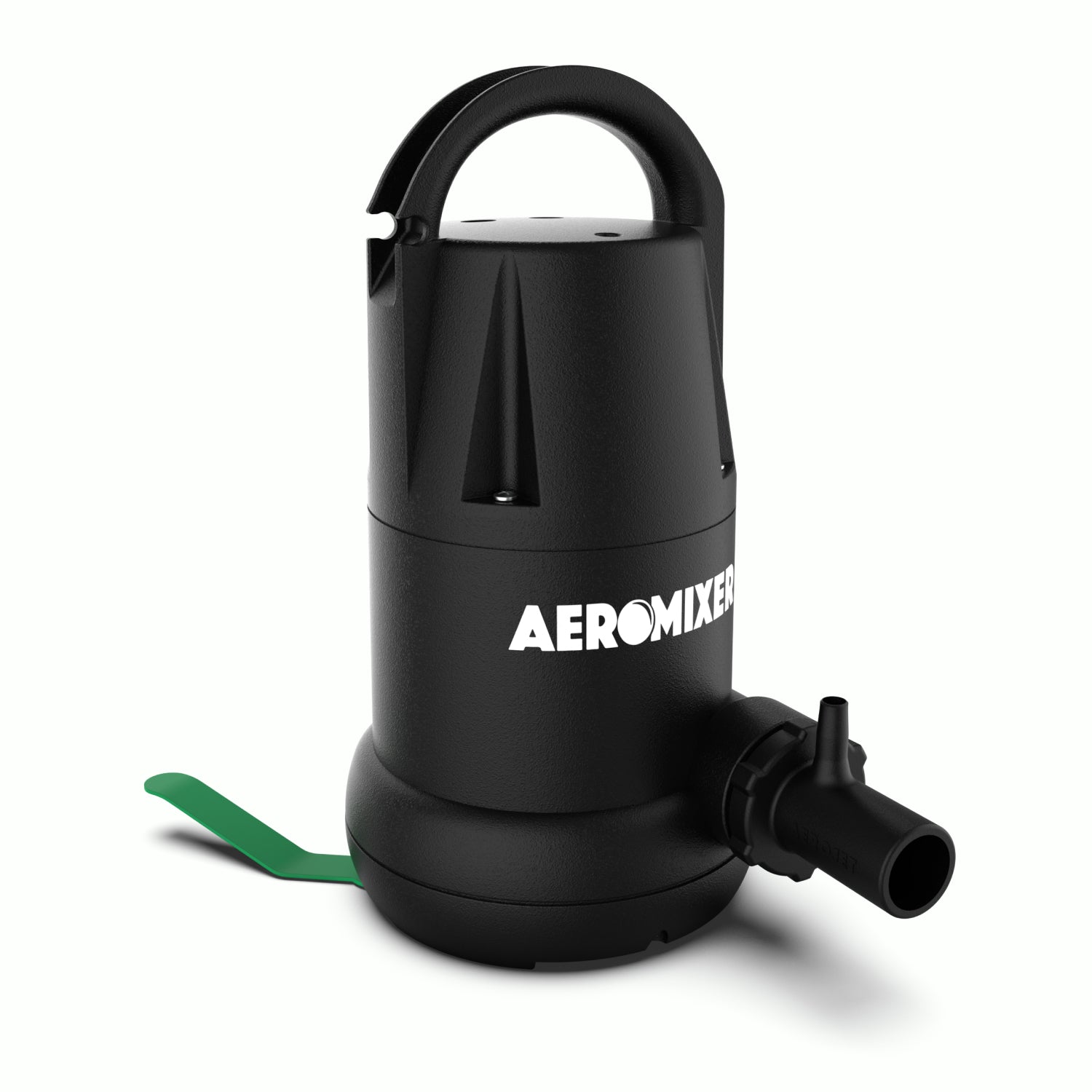
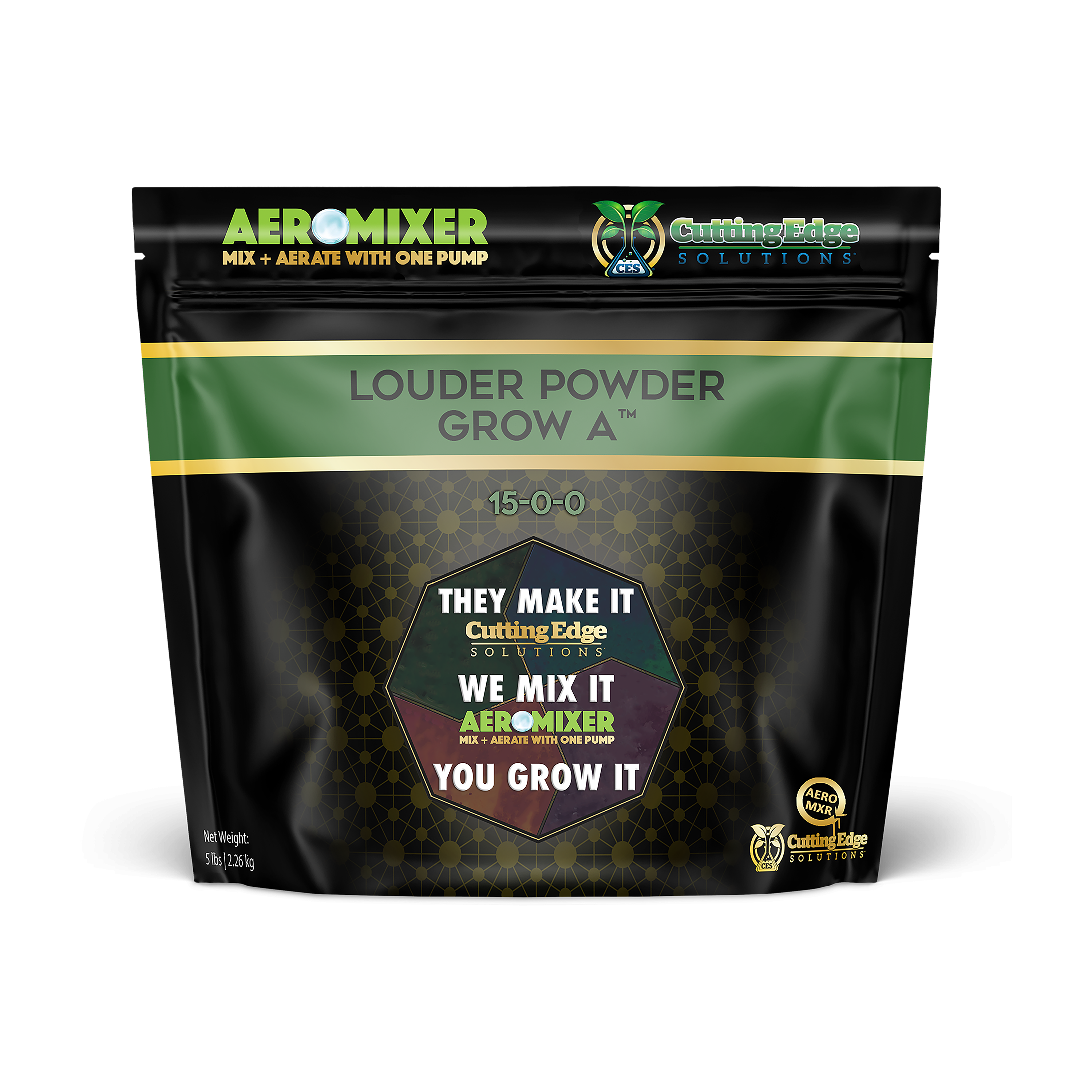
If your next step is better mixing and aeration, the most relevant product hub is the Aeromixer hub. Aeromixer is built to mix + aerate feeding solutions with one pump, helping keep the tank moving while you build a cleaner organic feeding routine.
Explore the Mixers HubQuick FAQ
Can organic nutrients be used in a reservoir?
Some organic nutrients can be used in a reservoir, but you need to follow the product label. Check whether the product is suitable for pumps, lines, hydro systems, drip systems, or only hand watering.
Why do organic nutrients settle in a feed tank?
Organic nutrients can contain suspended solids, thicker materials, or biological inputs that settle when movement slows down. Weak bottom movement, long hold times, and poor filtration can make the problem worse.
How do I keep organic solids suspended?
Start with a clean tank, add the product slowly into moving water, keep the bottom of the tank moving, feed before the solution sits too long, and flush the system after use.
Should I filter organic nutrients before feeding?
Filtration or straining can help if the product contains particles or your system uses narrow fittings, wands, drip lines, or emitters. Make sure the filter does not restrict flow too much.
Can organic nutrients clog pumps and hoses?
Yes. Organic residue, solids, biofilm, and particles can clog pump intakes, screens, hoses, fittings, valves, nozzles, and emitters if the system is not flushed and cleaned.
How often should I clean when using organic nutrients?
Clean more often than you would with plain water or cleaner mineral solutions. Flush lines after feeding, inspect pump intakes, remove sediment between batches, and deep clean when smell, slime, or weak flow appears.
The Takeaway
Organic nutrients can work in a feed tank, but they need a routine built for solids.
Start clean. Add slowly. Keep the bottom moving. Use filtration where it makes sense. Feed before the mix sits too long. Flush lines after use. Clean the pump, tank, hoses, and fittings before buildup turns into clogs.
That is how you keep organic nutrients in the routine without letting sludge take over.
Keep learning with the full Nutrient Mixing + Aeration Guide, or build a stronger organic mixing routine with Aeromixer.